
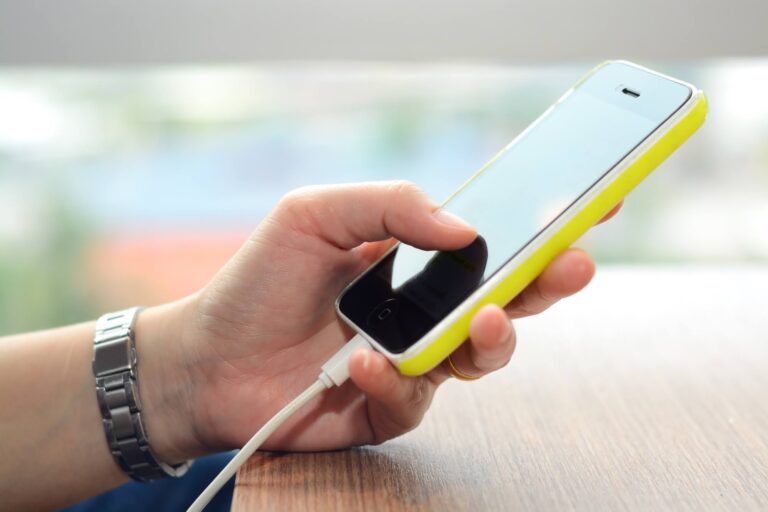
6 Common Causes of Charging Problems in Smartphones
There’s nothing quite as frustrating as plugging in your smartphone at the end of a long day, only to find it won’t charge. In our increasingly connected world, a phone that refuses to power up can disrupt everything from work communications to personal plans. While charging issues might seem like a death sentence for your device, understanding what’s actually happening can help you make informed decisions about the next steps.
Charging problems are among the most common complaints smartphone users face, affecting devices across all brands and price points. The good news is that many of these issues stem from identifiable causes that don’t necessarily mean your phone is beyond help. Whether you’re dealing with a device that charges slowly, intermittently, or not at all, recognizing the underlying problem is the first step toward resolution.
Physical Damage to the Charging Port
The charging port on your smartphone endures constant use throughout the device’s lifetime. Every time you plug in a cable, you’re creating physical contact between metal components, and over time, this repeated action takes its toll. The port itself is a small opening that’s exposed to the world, making it vulnerable to various forms of damage that can interrupt the charging process.
Wear and Tear From Daily Use
Regular insertion and removal of charging cables naturally causes the internal pins and connectors within the port to loosen or shift position. This gradual deterioration happens to all devices eventually, though how quickly depends on how carefully the phone has been handled. Sometimes the damage is visible when you look closely at the port, while other times the problem exists deep within the connection points, where it’s harder to detect.
Impact and Accidental Damage
Drops and impacts don’t always result in cracked screens. Sometimes the force from a fall can bend or break the delicate components inside the charging port without any external signs of damage. The port’s positioning at the bottom or side of most phones makes it particularly susceptible to damage when a device lands at certain angles.
Debris and Lint Accumulation
It might surprise you to learn how much material can collect inside something as small as a charging port. Every time you slip your phone into a pocket or bag, microscopic particles have the opportunity to settle into that small opening. Over weeks and months, these tiny intruders build up into a substantial blockage.
The Pocket Lint Problem
Fabric fibers from clothing are some of the most common culprits. These soft materials compress when you insert a charging cable, pushing deeper into the port rather than being pushed out. Eventually, the accumulation becomes dense enough to prevent the cable from making proper contact with the charging pins.
Dust and Environmental Particles
Beyond fabric fibers, phones collect dust, sand, food particles, and other environmental debris. If you work in certain environments or enjoy outdoor activities, your phone faces even more exposure to particles that can interfere with charging functionality.
Cable and Adapter Deterioration
While it’s natural to focus on the phone itself when charging problems arise, the accessories you use play an equally important role in the charging process. Cables and adapters are often overlooked as potential problem sources, yet they’re subject to their own forms of wear and damage.
Cable Connection Points
The ends of charging cables, particularly where the connector meets the cable itself, experience significant stress with everyday handling. Bending, twisting, and pulling gradually weakens the internal wiring at these junction points. Even when the outer casing looks intact, the wires inside may have frayed or broken, disrupting the flow of electricity to your device.
Adapter Component Failure
Power adapters contain internal circuitry that regulates the electrical current flowing to your phone. These components can degrade over time or fail suddenly, resulting in insufficient power delivery even when everything appears normal on the outside.
Software and Firmware Issues
Not all charging problems have physical origins. Your smartphone’s operating system includes sophisticated software that manages how the device receives and processes power. When this software encounters glitches or becomes outdated, it can create charging issues that mimic hardware failures.
The charging process involves communication between your phone and the power source, with software mediating this interaction. Updates, app conflicts, or corrupted system files can all interfere with this communication, leading to situations where the phone doesn’t recognize that it’s been plugged in or incorrectly reports its battery status.
Battery Health Degradation
Smartphone batteries are designed to handle hundreds of charging cycles, but they don’t last forever. As batteries age, their ability to accept and hold a charge diminishes. This natural degradation process affects all rechargeable batteries and can manifest as charging problems even when the charging system itself is functioning correctly.
An aging battery might charge extremely slowly, stop accepting a charge before reaching full capacity, or drain quickly even after what appears to be a complete charging session. These symptoms often develop gradually, making it easy to attribute them to other causes before realizing the battery itself has reached the end of its effective lifespan.
Moisture and Liquid Exposure
Modern smartphones often include water resistance features, but these protections aren’t foolproof and can degrade over time. When moisture enters a charging port, it creates conditions that prevent safe charging. Many phones include safeguards that detect liquid presence and disable charging to protect the internal components.
Even small amounts of humidity can cause issues, especially when combined with the electrical current involved in charging. Corrosion develops when moisture sits in contact with metal components, creating a barrier that blocks proper electrical connection. This can happen from obvious water exposure or from environmental humidity in certain climates.
Understanding the common causes of charging problems helps demystify what can feel like a sudden and catastrophic device failure. Whether the issue stems from accumulated debris, worn cables, software glitches, battery age, physical damage, or moisture exposure, identifying the source is essential for determining the appropriate response. Many charging problems are resolvable with professional assessment, and even when serious hardware issues exist, knowing what you’re dealing with allows you to make informed decisions about your device’s future. If you’re experiencing persistent charging issues with your smartphone, our phone repair store team is ready to provide expert diagnosis and solutions that get your device back to reliable performance. Contact us today to get started.
Frequently Asked Questions
Can using my phone while it’s charging cause long-term charging problems?
Using your device during charging generates additional heat, which can contribute to faster battery degradation over time, but it won’t typically damage the charging port or cable connections themselves.
How often should I replace my charging cables?
There’s no set timeline for cable replacement since it depends entirely on usage patterns and how carefully cables are handled and stored, but watching for signs of visible wear helps you stay ahead of potential failures.
Do wireless chargers prevent the types of problems associated with port charging?
Wireless charging eliminates port-related wear and debris issues, though it introduces its own considerations around heat generation and requires proper alignment between the phone and charging pad
Is it normal for charging speeds to vary throughout the charging cycle?
Yes, charging speeds naturally slow down as the battery approaches full capacity, which is a designed safety feature that protects battery health rather than an indication of a problem.
Can extreme temperatures affect charging performance?
Both very hot and very cold conditions can impact how efficiently batteries accept charge, with most smartphones designed to slow or stop charging when temperatures fall outside safe operating ranges.